

What is the iMasons Climate Accord?
In July 2024, the Governing Body of the iMasons Climate Accord (iCA)— AWS, Digital Realty, Google, Meta, and Microsoft — signed an open letter calling on all suppliers serving data centers to publish EPDs for their products. This supports greater transparency in Scope 3 emissions as part of broader efforts to reduce the industry’s carbon footprint.
This is a landmark moment — not just because of what the letter says, but because of who is saying it and how. Their message is clear: voluntary disclosures and internal estimates are no longer enough. EPDs must become the backbone of climate accountability in procurement, design, and innovation.
This is more than a push for transparency—it is a monumental business opportunity for all data center suppliers.
Let’s unpack why this matters and what it means for organizations navigating this rapidly evolving space.
Why EPDs and Why Now?
Environmental Product Declarations are not new, but the context has shifted. As the letter notes, we are entering the next phase of decarbonization: one that demands product-level precision. Market signals—from governmental Buy Clean initiatives to global carbon disclosure frameworks—are converging around one key need: credible, consistent, and comparable emissions data at the product level.
Here’s the bigger picture: this isn’t just about compliance. It’s about access. Access to business opportunities and partnerships that reward transparency.
That’s why this letter feels like both an invitation and a challenge. For early adopters, it’s validation. For manufacturers without in-house LCA or EPD expertise, it may feel a bit like trying to put together a 1,000-piece puzzle without seeing the picture on the box—you know it can be done, but it’s hard to know where to start.
While this call is broad, the industries feeling it most immediately are digital infrastructure and data center suppliers. With data center’s enormous embodied carbon footprints and global supply chains, the iCA member companies are raising the bar. Their expectations will cascade to suppliers, manufacturers, and adjacent industries like construction.
Why EPDS are a Profit Opportunity — Not Just Compliance
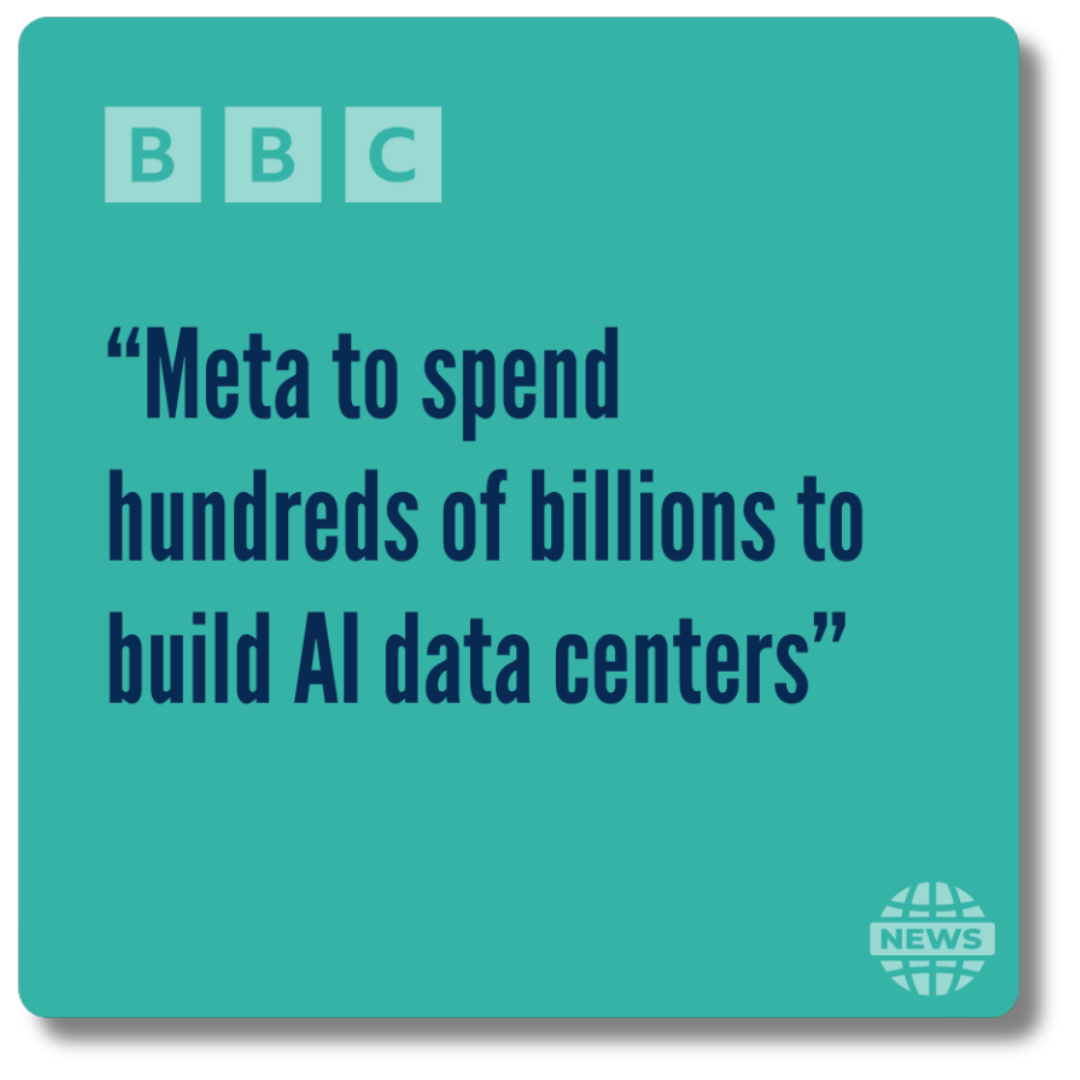
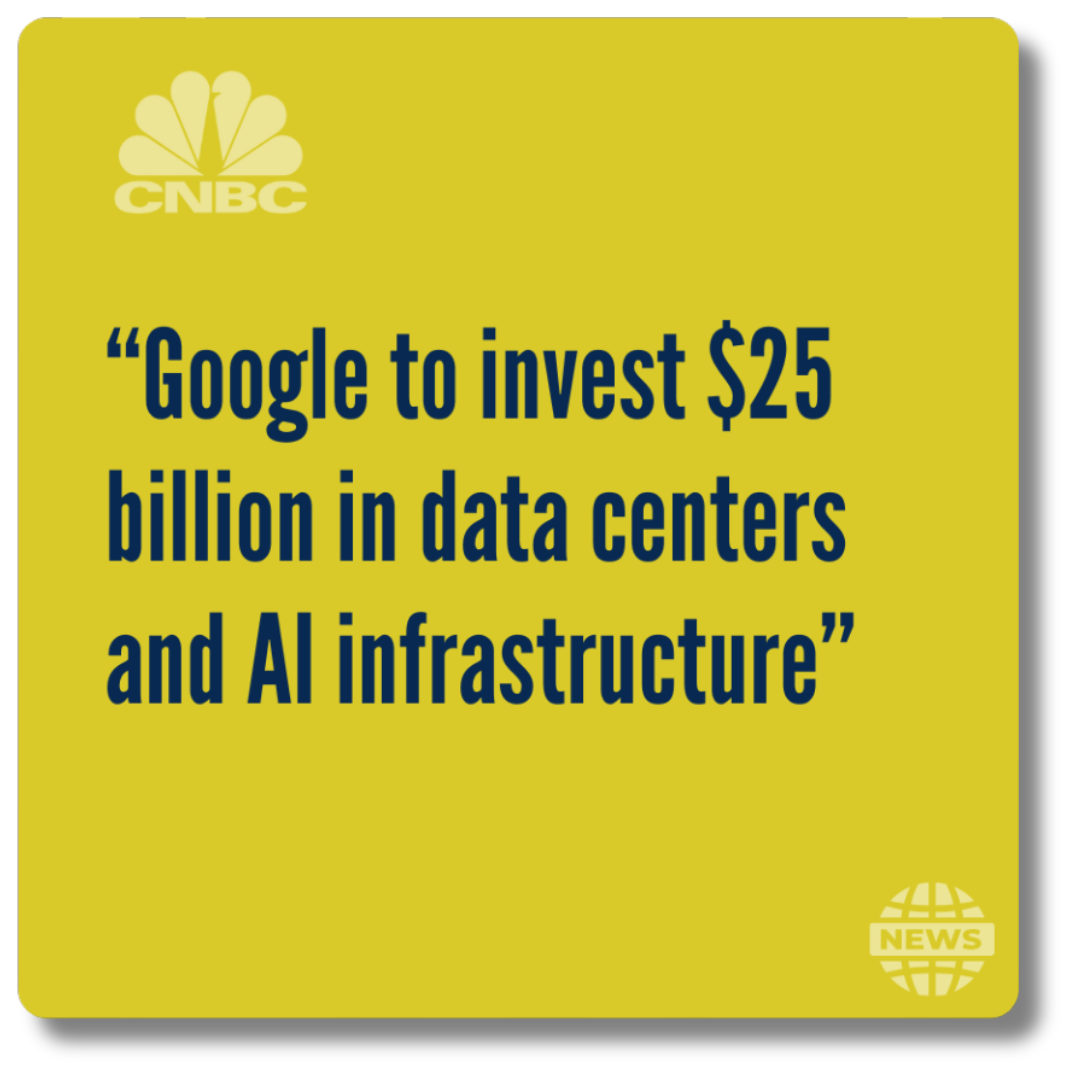
EPDs aren’t just an environmental box to check — they are your ticket into the most lucrative supply chain opportunities of the next decade. Look at the scale of investment in the pipeline:

Small Investment, Massive Payoff

Mark Zuckerberg announced in July 2025 that Meta Platforms would be investing hundreds of billions of dollars to build “multiple more titan clusters” spanning a footprint comparable to Manhattan.
Manhattan covers 22 square miles — roughly 470 million square feet. Imagine your products being specified in a 470 million-square-foot facility.
The ROI from a single contract could dwarf the cost of completing an EPD for your products.
The Hidden Complexity of ‘Simple’ Transparency
The iMasons Climate Accord (iCA) makes a compelling case for positioning EPDs as the minimum entry point, but it doesn’t shy away from the hurdles:
EPD creation isn’t turnkey. It requires product-level data, supply chain inputs, and adherence to sometimes nonexistent PCRs (Product Category Rules).
Comparing product & material EPDs is complicated. The type of software and datasets used can yield significantly different results.
Program Operator* differences still exist creating variation in format and verification rigor—frustrating both manufacturers and decision-makers.
*A program operator is the entity that reviews the LCA/EPD to verify compliance with international standards and the PCR.Digital EPDs and databases are promising, but interoperability is a work in progress.
The Climate Accord isn’t asking for zero-carbon products all at once—it’s asking suppliers to develop their baseline LCA/EPD and disclose publicly. This process provides manufacturers with excellent information to help them develop a plan to reduce the environmental impacts of their products by using Sustainable Product Innovation methodologies.
The Climate Accord’s ultimate target is net zero carbon as defined by the Paris Agreement.

How SSC Helps Manufacturers Rise to the Climate Accord’s Expectations
SSC has supported companies with conducting LCA and developing EPDs since 2007. In 2024 alone, we developed LCAs and EPDs for 3,530 data center products. We understand a company’s unique sustainability challenges and can partner with you to meet these expectations.
With nearly two decades of life cycle expertise, we’ve learned that most manufacturers need alignment, clarity, and credible support.

We help our clients navigate:
LCA strategy development aligned with business goals.
Streamlined data collection from operations and supply chains.
Portfolio-wide climate roadmaps that turn disclosure into differentiation.
The development of audit-ready Environmental Product Declarations (EPDs) that meet industry standards (Type III, ISO, or EN verification), ensure they follow relevant Product Category Rules (PCRs), and are easily accessible for stakeholders.
Disclosure of EPDs in common 3rd-party databases like EC3 and OpenLCA that are aligned with EPD data exchanges with existing standards such as eclass and ISO 22057.
Start Here for a More Transparent Supply Chain

The data center sector may be first in the spotlight, but it won’t be the last. Manufacturing, construction, and consumer electronics will increasingly face the same expectations as EPDs become a standard passport for low-carbon markets.
If you’re just beginning your EPD journey or reassessing your current strategy — the path forward doesn’t have to be overwhelming. Our LCA Readiness Assessment can help you see where your organization stands and identify practical next steps.
Meet the Expert

Tad Radzinski,
PE, SEP, LEED AP, SFP
Co-Founder & President
Tad Radzinski is a recognized sustainability expert and former EPA Waste Minimization National Expert with over 30 years of experience advising Fortune 500 companies. He is Co-founder and President of Sustainable Solutions Corporation, providing decarbonization consulting and training across industries, and Co-founder of GreenCircle Certified, which verifies sustainability claims for top brands like P&G, 3M, and Amazon.
Tad co-hosts the Tad Talks Sustainability podcast, simplifying complex topics and featuring major companies. He also helped develop Villanova University’s MS in Sustainable Engineering and taught there for 18 years, covering Life Cycle Assessment and Sustainable Buildings and Operations.