
Webinar Recording
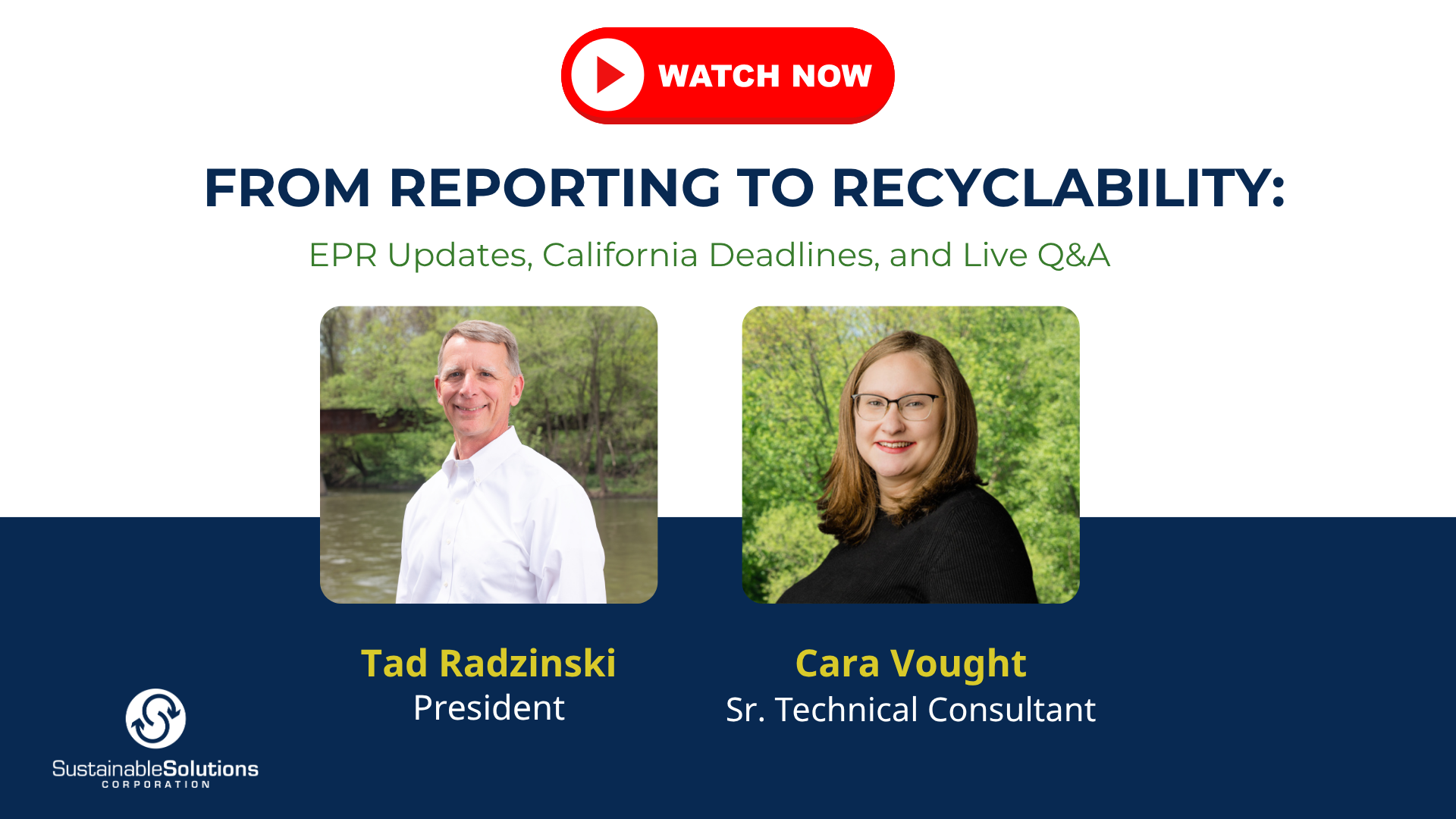
Recorded July 29, 2026
As packaging regulations continue to evolve across the United States, experts from Sustainable Solutions Corporation discuss the latest developments in California’s Extended Producer Responsibility (EPR), review reporting requirements and source reduction planning obligations, and answer audience questions.
Services to Support Your EPR Journey
Sustainable Solutions Corporation (SSC) helps businesses turn EPR into a strategic opportunity to optimize packaging and reduce costs.
Optimize your Packaging

Life Cycle Assessments (LCAs): A method for evaluating a product’s environmental impacts across its entire life cycle, enabling data-driven decisions that support compliance and product differentiation.
Sustainable Product Innovation (SPI): We embed sustainability into R&D and Stage-Gate processes using practical tools and checklists to standardize sustainability decisions and identify lower-impact materials. This proactive approach reduces compliance risk and minimizes downstream delays.
Design for Environment (DFE) Tool: We help clients turn sustainability goals into actionable design decisions through DFE tools. These tools use LCA data to compare packaging and material scenarios, uncover environmental hotspots, and highlight trade-offs across carbon, recyclability, and cost.
LCAs are the foundation of your SPI program and the key to helping your product development team reduce environmental impacts.
Related Resources
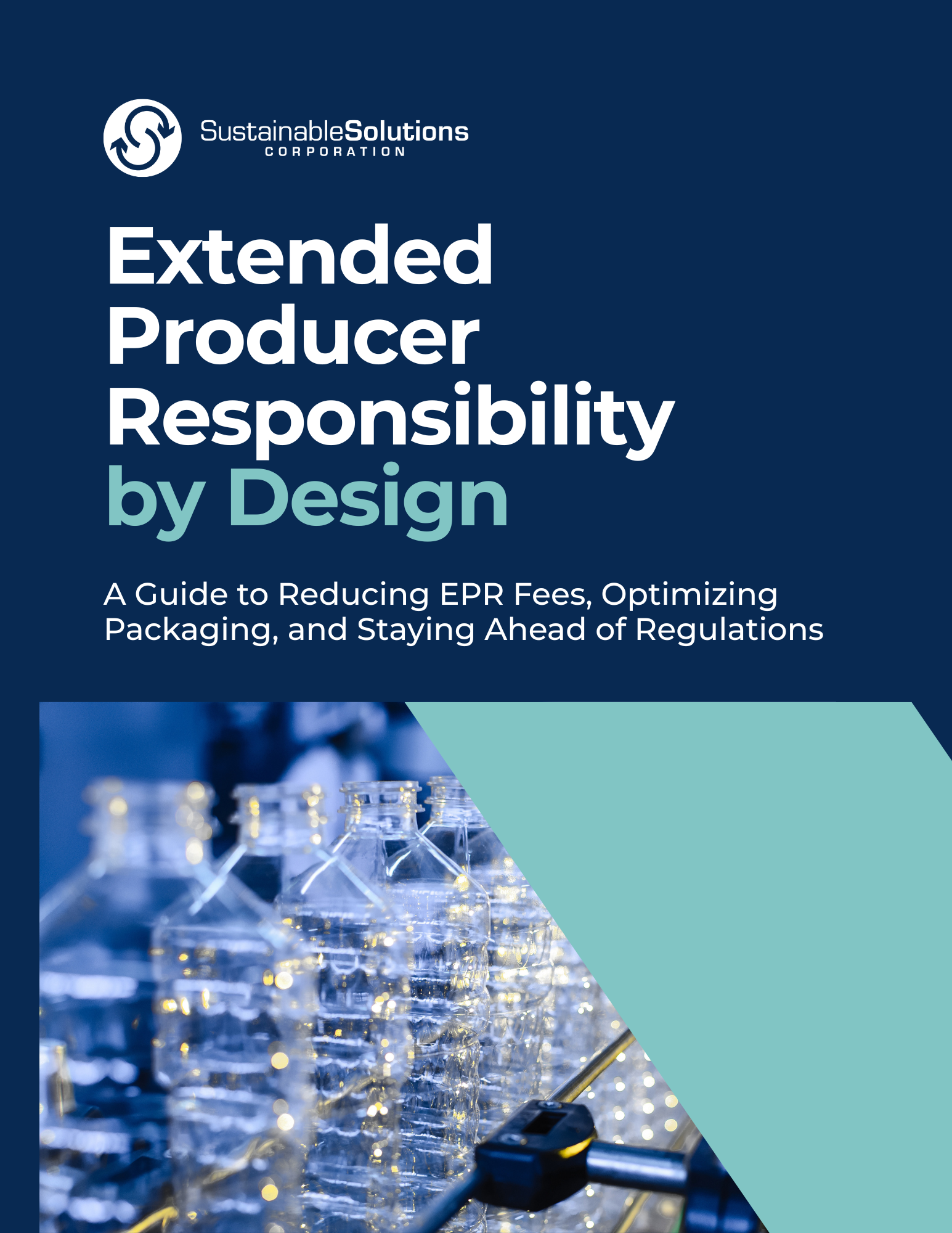
Extended Producer Responsibility By Design: A Guide to Reducing EPR Fees, Optimizing Packaging, and Staying Ahead of Regulations
In this eBook we discuss:
Practical strategies for reducing EPR fees through smarter packaging decisions
How Life Cycle Assessments (LCAs) help identify opportunities to lower EPR costs
How Design for Environment (DfE) tools help engineers and packaging designers evaluate cost, performance, recyclability, and environmental impact
Why embedding Sustainable Product Innovation (SPI) into product development helps avoid costly redesigns
How to build a strategic packaging roadmap for evolving multi-state EPR regulations
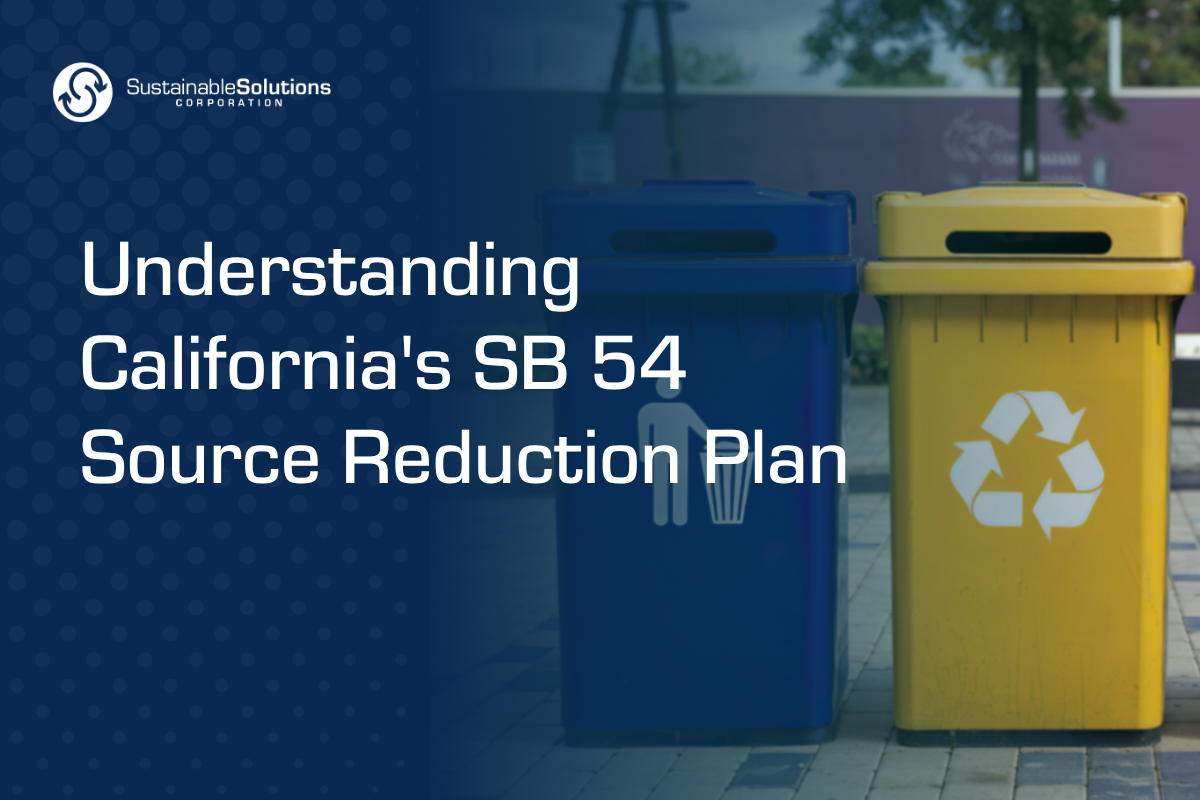
California's SB 54 requires producers to submit a Source Reduction Plan. Learn the requirements, deadlines, and five approved compliance pathways.
Learn how Design for Environment (DfE) tools and Sustainable Product Innovation (SPI) help companies optimize packaging, reduce EPR fees, and improve recyclability.

Connect with Us
Have questions regarding EPR and what it means for your business? Let’s discuss how we can support your EPR journey.