
When industrial waste is generated, the first reaction is often to send it to the landfill. These waste streams may be generated in small quantities or may not fit into traditional recycling, composting or standard disposal systems. As a result, it can be difficult to find a company willing to accept them. With the right strategy, organizations can often identify specialty outlets capable of managing difficult materials.
Common examples of hard-to-manage waste streams include:
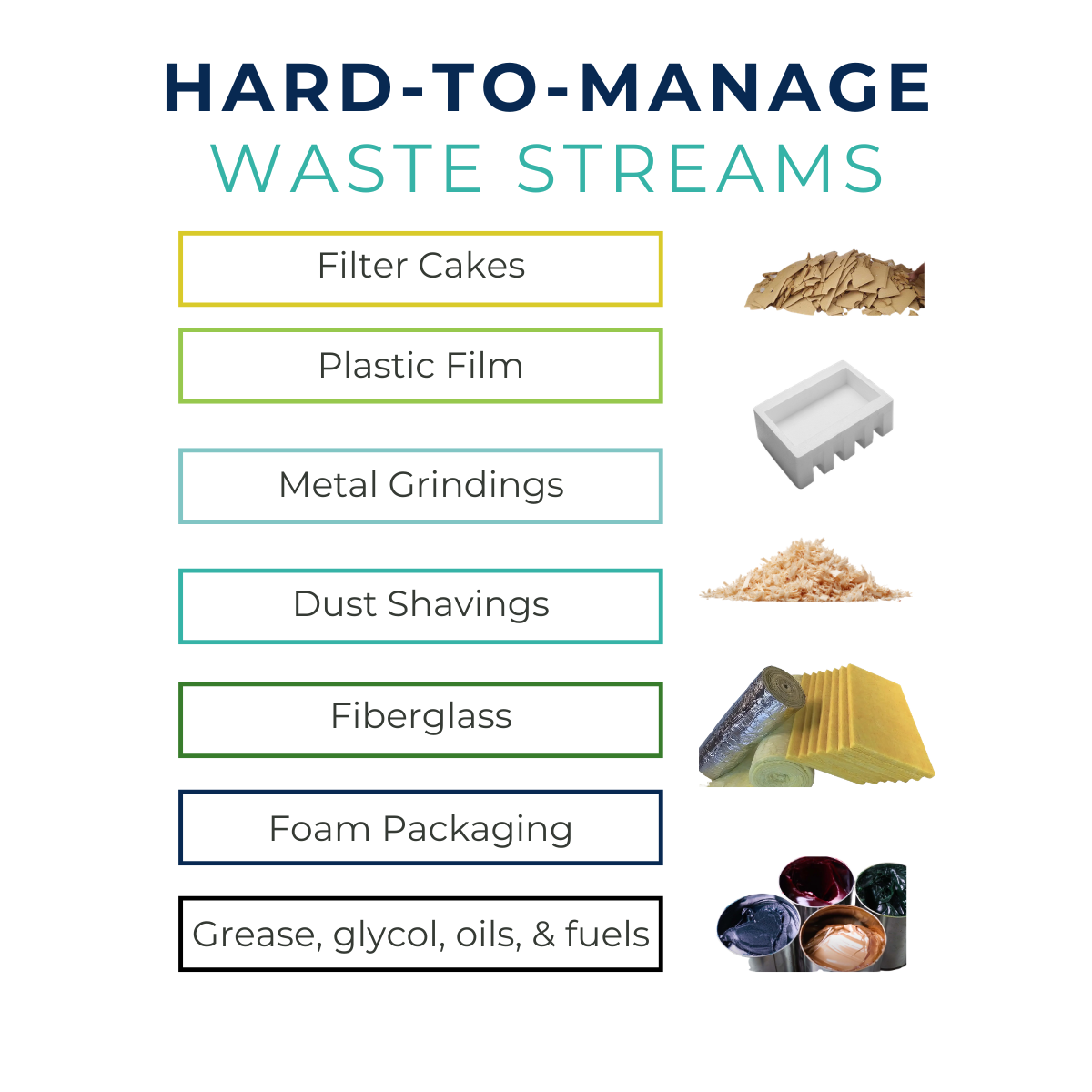
Rather than automatically sending these materials to landfill, manufacturers can take several approaches to reduce or divert these waste streams.
Waste Minimization: The Most Effective Strategy for Reducing Industrial Waste
Waste minimization is the most effective strategy for managing difficult waste streams. If waste can be reduced or eliminated before it is generated, companies recover materials that would otherwise become a lost resource.
At Sustainable Solutions Corporation (SSC), we take a lifecycle approach when evaluating waste. We start by asking a simple but important question:
If we have waste, why is it being generated in the first place, and how can we stop it?
By understanding how materials move through a facility, from raw material delivery to final product shipment, we can identify opportunities to reduce waste generation at the source.
How to Manage Materials That Cannot Be Easily Recycled or Diverted from Landfill
At SSC, the first priority is always source reduction. Eliminating waste generation at the source is the most effective way to achieve zero waste to landfill goals while also creating significant cost savings.
Techniques for Source Reduction
There are several practical strategies manufacturers can implement to minimize waste generation, including:
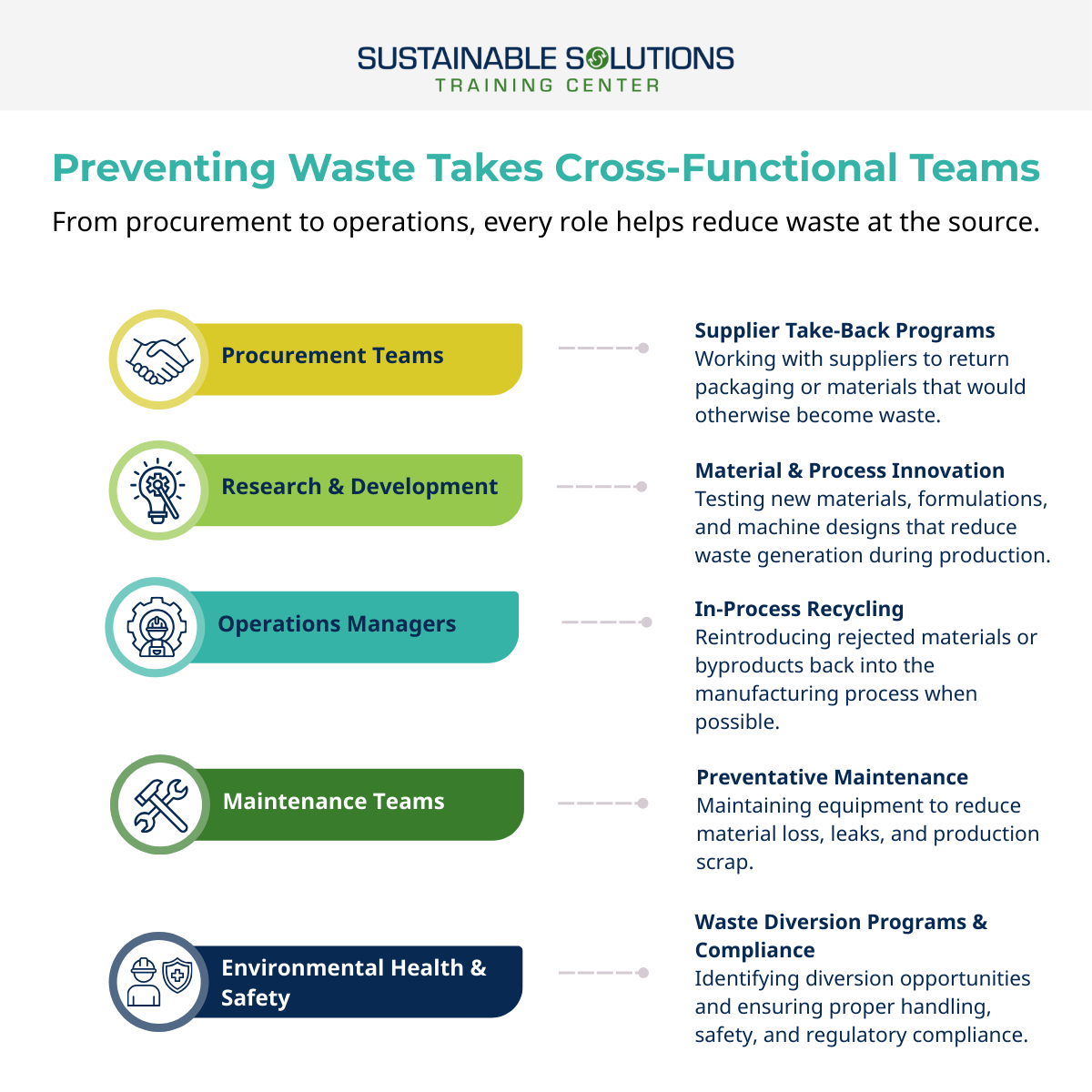
Supplier take-back programs: Working with suppliers to return packaging or materials that would otherwise become waste.
Process efficiency improvements: Reducing waste created during production startup, shutdown, or changeovers.
Installation of trays, guards, or covers on production lines: Capturing materials that would otherwise fall to the floor, become contaminated, or be discarded.
In-process recycling: Reintroducing rejected materials or byproducts back into the manufacturing process when possible.
Improved machine design: Reducing scrap, rejected products and packaging waste in the manufacturing process to limit material loss and rework.
Reducing waste at its source requires cross-functional collaboration. When teams work together across departments, organizations can reduce waste and recover value that would otherwise be lost. The graphic below highlights how different teams contribute to waste reduction across a facility.
Who Can Handle Difficult-to-Recycle Industrial Waste?
In some cases, waste cannot be eliminated entirely. When this happens, organizations must identify safe and responsible ways to manage materials that cannot easily be recycled or diverted from landfill through traditional programs.
Once waste minimization opportunities have been explored, the next step is identifying organizations that can properly handle materials that are difficult to manage. There are several types of organizations that specialize in handling complex industrial waste streams.
Specialty recyclers – Companies that process materials not accepted in standard recycling programs, such as plastic film, foam packaging, or fiberglass.
Industrial waste management providers – Firms that handle complex manufacturing waste streams like filter cakes, dust, shavings, and other process residues.
Oil recovery companies – Facilities that collect and recycle used oils, glycol, grease, and fuels for reuse or energy recovery.
Material recovery partners – Organizations that repurpose industrial byproducts as inputs for other industries, such as cement manufacturing or other industrial processes.
Waste-to-energy facilities – Facilities that convert non-recoverable waste into electricity or steam through controlled energy recovery processes.
Finding the Right Outlet
While the landfill may seem like the easiest option to dispose of industrial waste, many manufacturers discover that with the right strategy, difficult waste streams can often be diverted or repurposed, helping organizations move closer to their waste diversion and sustainability goals.
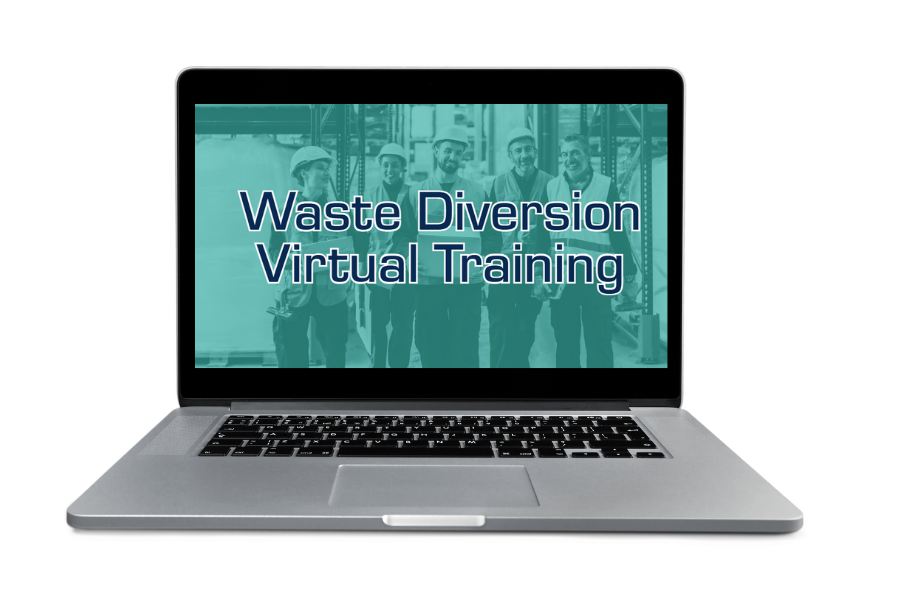
If you’re looking for more information on reducing waste and recovering savings, the Sustainable Solutions Training Center offers a Waste Diversion Virtual Training that equips manufacturing facilities with the tools to build a Zero Waste Roadmap, implement a successful waste diversion program, and turn waste into profit.
Preview Our Waste Diversion Virtual Training
In this free video preview, you'll get a behind-the-scenes look at the strategies and insights we share with organizations looking to develop a Zero Waste Roadmap to drive cost savings, including:
Proven source reduction techniques
How to identify and secure outlets for hard-to-manage waste streams
A real-world case study demonstrating how waste diversion can generate ROI
Frequently Asked Questions About Waste Reduction in Manufacturing
What are hard-to-manage waste streams in manufacturing?
Hard-to-manage waste streams are materials that cannot easily be recycled through traditional recycling programs. These materials may be contaminated, made of composite materials, or generated in small quantities that make recycling difficult. Examples include filter cakes, fiberglass, plastic film, foam packaging, and certain oils or process residues.
How can manufacturers reduce hard-to-manage waste streams?
Manufacturers can reduce these waste streams by improving process efficiency, implementing preventative maintenance, reducing spills and material losses, improving inventory control, and redesigning processes to minimize waste generation.
What should manufacturers do with materials that cannot be recycled?
The first step is to evaluate opportunities for waste minimization. Reducing waste generation at the source is often the most effective strategy. If waste cannot be eliminated, manufacturers can explore options such as specialty recycling outlets, energy recovery, industrial reuse, or supplier take-back programs.
Meet the Expert

Tad Radzinski,
PE, SEP, LEED AP, SFP
Co-Founder & President
Tad Radzinski is a recognized sustainability expert and former EPA Waste Minimization National Expert with over 35 years of experience advising Fortune 500 companies. He is Co-founder and President of Sustainable Solutions Corporation, providing decarbonization consulting and training across industries, and Co-founder of GreenCircle Certified, which verifies sustainability claims for top brands like P&G, 3M, and Amazon.
Tad co-hosts the Tad Talks Sustainability podcast, simplifying complex topics and featuring major companies. He also helped develop Villanova University’s MS in Sustainable Engineering and taught there for 18 years, covering Life Cycle Assessment and Sustainable Buildings and Operations.